🧪 What Are Phosphates?
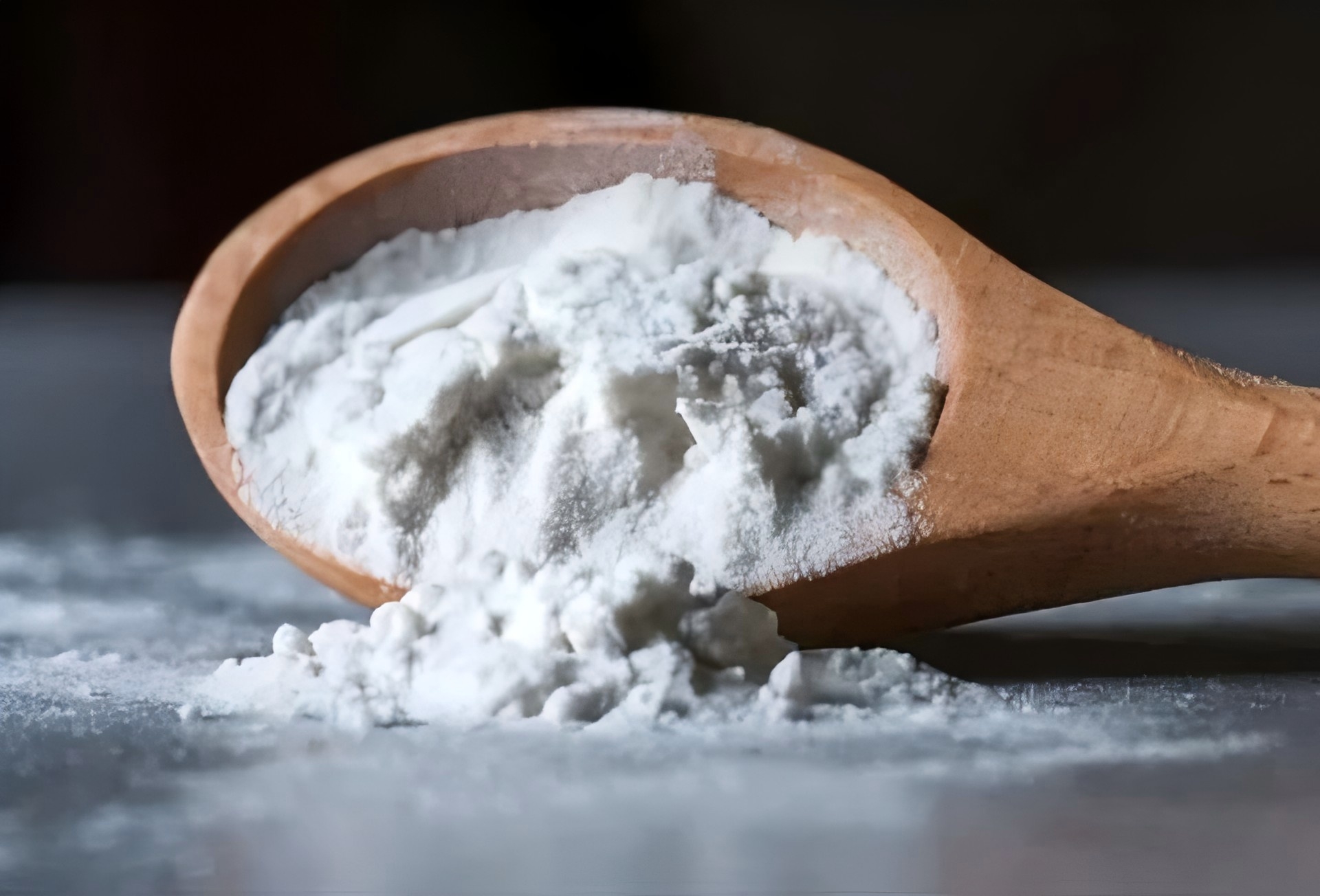
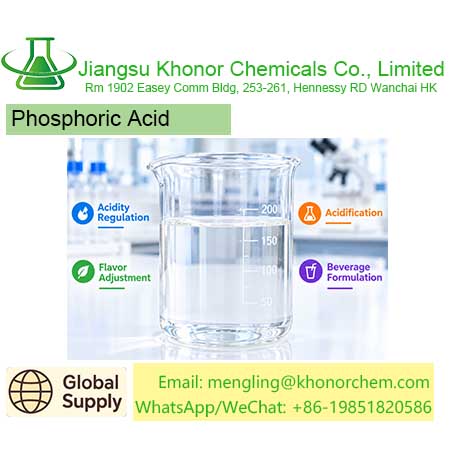
Phosphates are inorganic salts formed by the reaction of phosphoric acid (H₃PO₄) with various bases—including sodium, potassium, ammonium, and calcium.
Phosphates are among the most versatile and widely used inorganic compounds in the world. Derived from phosphoric acid, they are vital across food, agriculture, feed, water treatment, metal finishing, detergents, ceramics, pharmaceuticals, and many specialty chemical sectors.
🔬 Core Functions of Phosphates (With Full Explanations)
Here are the major functional roles of phosphates, each followed by a clear explanation:
⚖️ pH Buffering:
Phosphates maintain stable acidity or alkalinity in a system, preventing sudden pH changes that could affect product quality, chemical reactions, or microbial stability.
🔗 Chelation & Metal Ion Control:
Phosphates bind with calcium, magnesium, and heavy metal ions, preventing them from interfering with formulas, causing scale, or destabilizing emulsions.
💧 Water Retention & Moisture Control:
In food and industrial formulations, phosphates increase the water-holding capacity of proteins or systems, helping maintain juiciness, texture, or fluidity.
🌱 Nutrient Supply (Phosphorus & Potassium):
Agricultural phosphates provide plants with readily absorbable P and K nutrients essential for root development, energy metabolism, and crop yield improvement.
🧼 Detergency Enhancement:
Phosphates soften water and disperse dirt, enabling detergents to clean more effectively by preventing mineral ions from reducing surfactant performance.
🔥 Flame Retardancy:
Certain phosphates, especially ammonium polyphosphates, create protective char layers under heat, slowing down ignition and reducing the spread of flames.
🧊 Emulsion & Dispersion Stabilization:
Phosphates help maintain uniform mixtures by preventing particles or oils from separating, which is critical in foods, coatings, ceramics, and chemicals.
⚙️ Corrosion & Scale Inhibition:
In water treatment systems, phosphates form protective films on metal surfaces and prevent mineral deposits, helping extend equipment lifespan.
🧩 Classification of Phosphates
Phosphates can be categorized into:
🔹 Orthophosphates (e.g., MKP, DAP, TSP)
🔹 Pyrophosphates (e.g., SAPP, TSPP)
🔹 Polyphosphates (e.g., STPP, SHMP, APP)
🔹 Condensed phosphates (e.g., hexametaphosphate)
⭐ Typical Industrial Phosphates (Detailed Overview)
1️⃣ Sodium Tripolyphosphate (STPP)
🔧 Key Functions:
STPP binds metal ions such as calcium and magnesium, ensuring detergents perform efficiently even in hard water.
It enhances the water absorption of meats and seafood by improving protein hydration, resulting in better texture and yield.
In ceramics and pigments, STPP acts as a dispersant, keeping particles evenly distributed to improve processing performance.
📦 Applications:
🧼 Detergents|🍤 Seafood Processing|🏭 Ceramics|🎨 Pigments
2️⃣ Monopotassium Phosphate (MKP)
🔧 Key Functions:
MKP supplies rapidly absorbable phosphorus and potassium to plants, making it ideal for foliar sprays and high-value crops.
It functions as a mild acid regulator in food and chemical systems, providing stable buffering without significantly altering flavor.
📦 Applications:
🌱 Agriculture|🍬 Food Processing|🧪 Laboratory Buffers
3️⃣ Dipotassium Phosphate (DKP)
🔧 Key Functions:
DKP stabilizes pH in dairy and beverage systems, ensuring consistent taste and preventing curdling.
It helps creamers dissolve smoothly by improving emulsion stability.
In fire retardant systems, DKP contributes to thermal stability and char formation.
📦 Applications:
☕ Coffee Creamers|🥛 Dairy|🔥 Flame Retardants|🧪 Industrial Buffers
4️⃣ Sodium Hexametaphosphate (SHMP)
🔧 Key Functions:
SHMP acts as a strong chelating agent, improving clarity in beverages and preventing precipitation.
It enhances product stability by binding trace metals that cause oxidation or discoloration.
In water treatment, SHMP prevents scale by keeping minerals dissolved.
📦 Applications:
🍜 Food Additives|💧 Water Treatment|🎨 Pigments|🏭 Ceramics
5️⃣ Tetrapotassium Pyrophosphate (TKPP)
🔧 Key Functions:
TKPP improves detergent efficiency by preventing calcium and magnesium from interfering with cleaning agents.
It helps maintain stability in alkaline cleaning agents, ensuring consistent performance during storage.
In water treatment, it enhances dispersibility of suspended solids.
📦 Applications:
🧼 High-Performance Detergents|💧 Water Treatment|🧪 Industrial Cleaners
6️⃣ Ammonium Polyphosphate (APP)
🔧 Key Functions:
APP decomposes during heating to release phosphoric acid, which promotes char formation and slows flame spread.
It provides slow-release phosphorus for agriculture, offering stable nutrient supply to crops.
In coatings, APP improves thermal stability and fire resistance.
📦 Applications:
🔥 Flame Retardants|🌾 Fertilizers|🎨 Intumescent Coatings
7️⃣ Trisodium Phosphate (TSP)
🔧 Key Functions:
TSP provides strong alkalinity, helping dissolve grease and organic deposits.
It improves surface cleaning before painting or metal treatment by removing contaminants.
In industrial processes, it enhances emulsification and soil suspension.
📦 Applications:
🧽 Industrial Cleaning|⚙️ Surface Treatment|🏗️ Construction Chemicals
8️⃣ Dicalcium Phosphate (DCP) / Monocalcium Phosphate (MCP)
🔧 Key Functions:
These phosphates supply essential calcium and phosphorus to animals, supporting bone health and growth.
They act as buffering agents in feed to stabilize digestive environments and enhance absorption.
In some industries, they serve as mild leavening acids or mineral sources.
📦 Applications:
🐷 Feed Nutrition|🐓 Poultry|🍞 Bakery|🏭 Industrial Chemicals
9️⃣ Diammonium Phosphate (DAP)
🔧 Key Functions:
DAP serves as a high-efficiency fertilizer providing nitrogen and phosphorus for root and leaf development.
In food fermentation, DAP supplies yeast nutrients that accelerate growth and improve beverage flavor profiles.
📦 Applications:
🌾 Agriculture|🍺 Brewing & Fermentation
🔟 Tripotassium Phosphate (TKP)
🔧 Key Functions:
TKP acts as a strong pH stabilizer in beverages and food systems, ensuring consistent taste and clarity.
It improves the solubility of proteins, especially in instant beverages and nutritional powders.
TKP also enhances buffering capacity in specialty chemical systems.
📦 Applications:
🥤 Instant Beverages|🍼 Nutritional Powders|🧪 Chemical Formulations
🏭 How Phosphates Are Produced (Full Industrial Process)
⛏️ Step 1: Phosphate Rock Mining & Beneficiation
📍 Extraction → Crushing → Grinding → Flotation → Removal of silicates & carbonates
➡️ Produces high-grade phosphate ore
🔬 Step 2: Wet-Process Phosphoric Acid Production
Rock + H₂SO₄ → Phosphoric Acid + Gypsum
✔ Most common industrial method
✔ Produces ~85% of world phosphoric acid
⚗️ Step 3: Neutralization with Alkali Bases
To produce corresponding salts:
Resulting products include:
MKP, DKP, STPP, SHMP, APP, MHMP, MCP, DCP, etc.
🔥 Step 4: Condensation / Dehydration
Heating orthophosphates at controlled temperatures:
🌬️ Step 5: Drying, Granulation, Milling & Packaging
Final forms:
💎 Crystals
🧂 Powders
⚪ Granules
🧱 Glassy solids
🌍 Applications by Industry (Deep-Dive)
🍖 Food Industry
✨ pH control
✨ Moisture retention
✨ Texture improvement
✨ Emulsification
✨ Metal-ion chelation
📌 Used in:
🌱 Agriculture
✨ Supply phosphorus & potassium
✨ Increase crop yield
✨ Improve root development
✨ Leaf expansion & photosynthesis
📌 Typical grades:
MKP, DAP, MAP, APP
🐓 Feed Industry
✨ Bone development
✨ Digestibility improvement
✨ Mineral supplementation
📌 DCP, MCP widely used
💧 Water Treatment
✨ Scale inhibition
✨ Corrosion control
✨ Iron/manganese stabilization
📌 SHMP, TKPP, TSPP commonly used
🔥 Flame Retardants
📌 APP is a core ingredient in intumescent coatings
✨ Generates protective char layer
✨ Halogen-free
🧼 Detergents & Cleaners
✨ Water softening
✨ Soil suspension
✨ Enhanced cleaning efficiency
📌 STPP, TKPP, SHMP
🏗️ Industrial & Technical Applications
✔ Ceramics
✔ Oilfield chemicals
✔ Metal treatment
✔ Pigments & coatings
✔ Electroplating
⚡ Why Phosphates Are Indispensable
🔗 Functional versatility
🌱 Supports global food security
🏭 Critical for manufacturing & materials
🚰 Essential for water infrastructure
🔥 Improves fire safety
📈 Global Market Outlook
Rising demand in fertilizers, food processing, and treatment chemicals
Shift from commodity-grade to high-purity specialty phosphates
Increasing regulations pushing for environmentally friendly polyphosphates
🤝 Looking for a Reliable Phosphate Supplier?
We supply a full range of Food Grade, Feed Grade, Industrial Grade, and Agricultural Grade phosphates with:
✔ Stable quality
✔ COA + MSDS
✔ SGS / CIQ / ISO documentation
✔ Fast loading & timely delivery
✔ Strong manufacturing partnerships
📩 Contact us for COA, TDS, or samples.
📧 Email: mengling@khonorchem.com
📞 Tel/WhatsApp/WeChat: +86-19851820586
🌏 WhatsApp:https://wa.me/8619851820586
 English

 Spain
Spain ruso
ruso Portuguese
 italiano
 Arabic
 French
 Korean
 German
 Turkish
 Vietnamese
 Indonesian
 Dutch
Dutch Polish
 Far
Far Thai
Thai


 0086-19851820586
  mengling@khonorchem.com
  Rm 1902 Easey Comm Bldg, 253-261, Hennessy RD Wanchai HK