1. Product Description
Magnesium Taurate is a magnesium-containing nutritional ingredient supplied as a white to almost white crystalline powder. It combines magnesium with taurine in a single compound and is primarily considered for use in nutritional and dietary supplement formulations.
The product is characterized by a magnesium content of not less than 20.0%, with the referenced batch showing 21.5% magnesium content. It is manufactured and evaluated according to defined quality specifications, with testing covering magnesium content, loss on drying, heavy metals, and microbiological parameters.
Magnesium Taurate can be evaluated for use in mineral supplements, multi-ingredient nutritional formulations, tablets, capsules, powder blends, and other suitable supplement formats, subject to formulation requirements and applicable regulations in the destination market.
Product Name: Magnesium Taurate
CAS Number: 334824-43-0
Molecular Formula: C₄H₁₂MgN₂O₆S₂
Molecular Weight: Approximately 272.58 g/mol
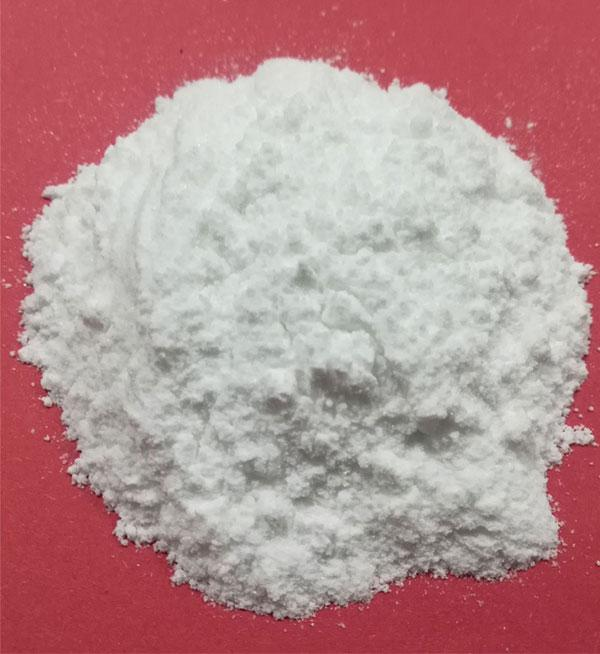
Appearance: White to almost white crystalline powder
Product Type: Mineral Nutritional Ingredient
📄 Free documents available for download:
 COA - Magnesium Taurate
MSDS-Magnesium Taurate
TDS - Magnesium Taurate
2. Chemical & Physical Properties
Magnesium Taurate is supplied as a crystalline powder with a white to almost white appearance. The product has a specified magnesium content of ≥20.0%, while the referenced COA reports a result of 21.5%.
The product specification also controls moisture, heavy metals, and microbiological quality. The referenced batch showed a loss on drying of 0.6%, indicating a low moisture level under the specified test conditions.
For elemental magnesium calculations, formulators should use the actual magnesium content stated on the relevant batch COA rather than calculating the magnesium contribution solely from the theoretical molecular formula.
3. Specifications
The current product specification is based on the supplied COA and USP-NF testing references.
Appearance: White to almost white crystalline powder
Magnesium Content: ≥20.0%
Loss on Drying: ≤2.0%
Heavy Metals: ≤10 ppm
Lead (Pb): ≤0.5 ppm
Cadmium (Cd): ≤0.5 ppm
Mercury (Hg): ≤0.1 ppm
Arsenic (As): ≤0.5 ppm
Total Plate Count: ≤1,000 CFU/g
Total Yeast & Mold: ≤50 CFU/g
Staphylococcus aureus: Negative
Salmonella: Negative
Escherichia coli: Negative
For the referenced batch, the test results included 21.5% magnesium, 0.6% loss on drying, heavy metals below 10 ppm, and compliance with the specified limits for lead, cadmium, mercury, arsenic, and microbiological parameters.
Testing is performed according to the applicable methods stated in the product COA, including relevant USP-NF 2024 methods.
4. Applications
4.1 Dietary Supplements
Magnesium Taurate can be evaluated as a magnesium source for dietary supplement formulations. It may be incorporated into products designed to provide supplemental magnesium as part of a broader nutritional formulation.
It can be used as a standalone magnesium ingredient or combined with other vitamins, minerals, amino acids, and nutritional compounds, depending on the formulation concept and regulatory requirements.
When formulating a finished supplement, manufacturers should calculate the contribution of elemental magnesium using the verified magnesium content of the actual raw material batch.
4.2 Magnesium Mineral Supplements
Magnesium Taurate provides an alternative ingredient option for manufacturers developing differentiated magnesium supplement products.
It may be considered for specialized magnesium formulations where the manufacturer wishes to use a defined magnesium compound rather than a conventional magnesium salt. Product developers can evaluate the ingredient based on elemental magnesium content, powder characteristics, dosage requirements, and compatibility with the overall formulation.
4.3 Tablets and Capsules
Magnesium Taurate powder can be evaluated for incorporation into solid dosage forms such as tablets and hard capsules.
For tablet applications, formulators should assess powder flowability, particle size distribution, bulk density, compressibility, blending characteristics, and compatibility with commonly used excipients.
For capsule applications, bulk density and particle characteristics may influence filling efficiency and the amount of Magnesium Taurate that can be incorporated into each serving.
Where necessary, formulation developers can use appropriate excipients to optimize powder flow, blending uniformity, compression, disintegration, and finished-product stability.
4.4 Powdered Nutritional Formulations
Magnesium Taurate can be considered for powdered nutritional products and customized mineral premixes.
In these applications, manufacturers should evaluate the compatibility of Magnesium Taurate with other powdered ingredients and assess potential segregation caused by differences in particle size or bulk density.
Moisture management is also important because changes in moisture can affect powder flow, caking, handling characteristics, and storage stability.
Suitable blending procedures and packaging systems should therefore be established during product development.
4.5 Multi-Mineral and Multi-Ingredient Formulations
Magnesium Taurate may be incorporated into multi-mineral or multi-ingredient supplement formulations together with other mineral sources, vitamins, amino acids, and nutritional ingredients.
For these formulations, product developers should consider the total elemental mineral content, serving size, ingredient compatibility, and finished-product specifications.
Pilot-scale testing is recommended when introducing Magnesium Taurate into a new formulation to verify blend uniformity, physical stability, and manufacturing performance.
4.6 Specialized Nutritional Products
Magnesium Taurate can also be evaluated for specialized nutritional products where manufacturers are looking for differentiated magnesium ingredients.
It may be suitable for customized supplement concepts, premium mineral formulations, and other nutritional products where the manufacturer wishes to incorporate magnesium together with taurine in the ingredient composition.
Any nutritional, physiological, or health-related claims for finished products should be assessed separately and must comply with the applicable regulations of the target market.
4.7 Research & Development
Magnesium Taurate is suitable for evaluation during the research and development of new mineral supplement formulations.
R&D teams can assess its elemental magnesium contribution, powder properties, compatibility with other ingredients, dosage requirements, and processing performance before moving to commercial-scale production.
For product qualification, customers can review the COA, TDS, MSDS/SDS, product specifications, and other available quality documentation.
5. Advantages
Defined Magnesium Content
The product has a specified magnesium content of ≥20.0%, with the referenced batch achieving 21.5%, providing a clearly defined basis for elemental magnesium calculation during formulation.
High Quality Control
The product specification covers key quality parameters including moisture, heavy metals, and microbiological limits.
Controlled Heavy Metals
The supplied specification includes limits for total heavy metals as well as individual limits for lead, cadmium, mercury, and arsenic, supporting quality evaluation for nutritional applications.
Microbiological Control
The specification includes limits for total plate count and yeast and mold, together with negative requirements for Staphylococcus aureus, Salmonella, and Escherichia coli.
Flexible Formulation Potential
Magnesium Taurate can be evaluated for tablets, capsules, powder blends, multi-mineral products, and customized nutritional formulations.
Suitable for Product Development
Its defined specification and supporting quality documentation allow manufacturers to evaluate the ingredient during formulation development and supplier qualification.
6. Packaging & Storage
Packaging: Packaging can be arranged according to product grade, order quantity, transportation requirements, and customer specifications. Suitable sealed packaging with an inner protective liner is recommended for powdered nutritional ingredients.
Storage:
Store in a cool, dry, and well-ventilated area.
Keep the container tightly closed when not in use.
Protect from moisture and direct sunlight.
Avoid exposure to excessive heat and humidity.
Use clean and dry equipment during handling.
Prevent contamination during opening, sampling, and repacking.
The product should be stored according to the conditions specified in the applicable technical documentation. Shelf life should be confirmed according to the manufacturer's current specification and packaging.
7. Regulatory Status
The regulatory status of Magnesium Taurate depends on the intended application, product specification, and regulations of the destination market.
For use in dietary supplements, nutritional products, or other food-related applications, manufacturers and importers should independently verify the ingredient's regulatory acceptability in the target country or region before commercial use.
Regulatory requirements may include permitted ingredient status, product registration or notification, dosage restrictions, labeling requirements, contaminant limits, and documentation requirements.
The presence of a chemical identity or CAS number does not by itself constitute regulatory approval for use in food or dietary supplements.
Customers are advised to conduct a market-specific regulatory assessment with their regulatory affairs team before launching a finished product.

📧 Email: mengling@khonorchem.com
📞 Tel/WhatsApp/WeChat: +86-19851820586
🌏 WhatsApp:https://wa.me/8619851820586
 English

 Spain
 ruso
 Portuguese
 italiano
 Arabic
 French
 Korean
 German
 Turkish
 Vietnamese
 Indonesian
 Dutch
 Polish
 Far
 Thai



 0086-19851820586
 mengling@khonorchem.com
 Rm 1902 Easey Comm Bldg, 253-261, Hennessy RD Wanchai HK