Product Description
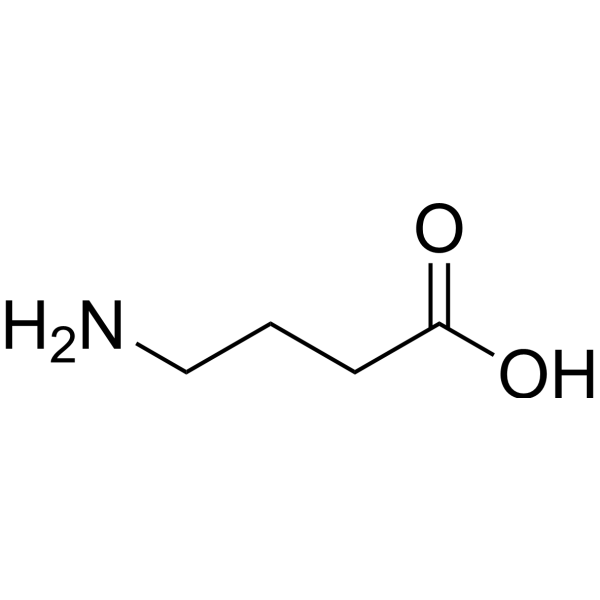
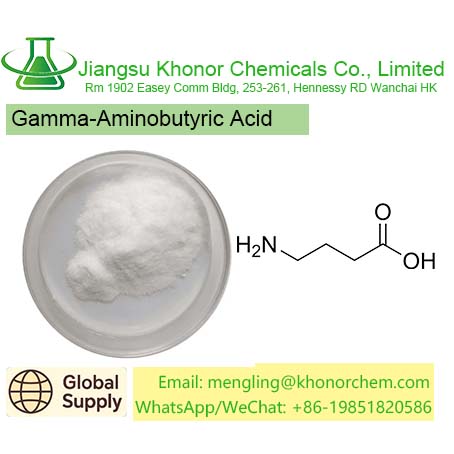
Gamma-Aminobutyric Acid (GABA), also known as γ-Aminobutyric Acid or 4-Aminobutanoic Acid, is a naturally occurring non-protein amino acid and an important inhibitory neurotransmitter in the nervous system. It is widely used as a functional ingredient in dietary supplements, functional foods, beverages, and nutritional formulations.
GABA has attracted significant interest in the functional food and nutraceutical industries, particularly for formulations associated with relaxation, sleep support, stress management, and nervous system health. It is also used in food and beverage products as a functional ingredient and, in the U.S. food ingredient inventory, is listed for use as a flavoring agent or adjuvant.
CAS No.: 56-12-2 | Molecular Formula: C₄H₉NO₂ | Molecular Weight: 103.12
📄 Free documents available for download: COA, TDS, and MSDS to support quality evaluation, technical assessment, and regulatory review.
 COA - GABA - 260324G
MSDS - GAMM-AMINOBUTYRIC-ACID
TDS - GABA
Chemical & Physical Properties
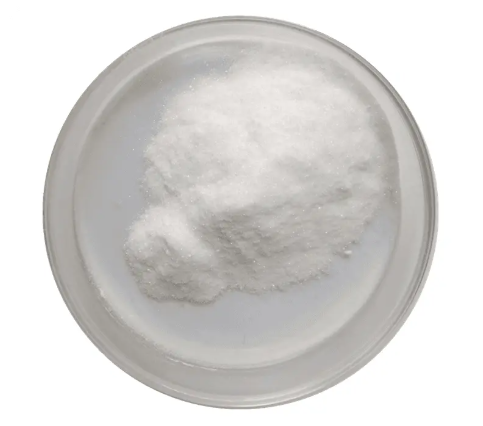
Appearance: White to off-white crystalline powder
Odor: Odorless
Solubility: Freely soluble in water
Molecular Formula: C₄H₉NO₂
Molecular Weight: 103.12 g/mol
CAS No.: 56-12-2
Melting Point: Approximately 195–204°C, with decomposition
Stability: Stable under recommended storage conditions
Chemical Type: Non-protein amino acid
GABA is highly water-soluble, which makes it particularly convenient for use in beverages, liquid nutritional products, and aqueous formulations.
Specifications
Typical commercial specifications may include:
Assay: ≥ 99.0%
Loss on Drying: ≤ 0.5%
Heavy Metals (as Pb): ≤ 10 ppm
Appearance: White to off-white crystalline powder
Identification: Conforms
Purity: High-purity grade available
Microbiological Specifications: Available according to the intended application and grade
Specifications can be customized according to food, nutraceutical, pharmaceutical, or other application requirements. For example, the current USP-NF dietary supplement monograph defines GABA at 97.5%–101.0% on an as-is basis.
Applications
1. Dietary Supplements & Nutraceuticals
GABA is widely used in dietary supplements designed around relaxation, stress management, sleep support, and nervous system wellness.
It can be formulated into:
GABA is often combined with ingredients such as L-Theanine, Magnesium, Melatonin, or botanical extracts in multi-ingredient formulations.
Its established role as an inhibitory neurotransmitter has made it an important ingredient for research and product development related to nervous system function.
2. Functional Foods & Beverages
GABA is increasingly incorporated into functional food and beverage products as a value-added nutritional ingredient.
Typical applications include:
Functional beverages
Energy and wellness drinks
Powdered drink mixes
Sports and recovery beverages
Functional teas
Coffee and cocoa products
Yogurt and dairy products
Cereals and nutrition bars
Confectionery products
Chocolate products
Its excellent water solubility makes GABA particularly suitable for ready-to-drink beverages and powdered beverage formulations.
FDA GRAS Notice 595 describes proposed use of GABA in products including snack bars, breakfast cereals, processed cheese, chewing gum, yogurt, candies, chocolate, and various beverages.
3. Sleep & Relaxation Formulations
GABA is frequently selected as an ingredient in formulations targeting:
For manufacturers, GABA can be incorporated into standalone products or combined with other ingredients to create multi-ingredient relaxation and sleep formulations.
It is important to distinguish formulation positioning from medical claims: the appropriate claims and permitted uses depend on the target market and local regulations.
4. Sports Nutrition
GABA is also used in specialized sports and wellness formulations.
Potential product concepts include:
Its use in this sector is generally focused on functional nutrition and wellness positioning rather than treating a medical condition.
5. Food & Beverage Fortification
GABA can serve as a functional ingredient in products where manufacturers want to add a differentiated nutritional component.
It can be incorporated into:
Research has also examined GABA-enriched foods and different food-processing technologies for increasing GABA content while maintaining product quality.
6. Pharmaceutical & Biochemical Research
GABA is an important biochemical compound used in research involving:
Neurotransmitter mechanisms
GABAergic signaling
Nervous system physiology
Neurochemical metabolism
Receptor-related research
Pharmaceutical development
It is also available as a high-purity laboratory reagent for biochemical and analytical applications.
7. Animal Nutrition
GABA is also investigated and used in selected animal nutrition applications, including:
Research has explored its potential role in animal stress response, feed utilization, and physiological regulation. Application levels and regulatory status should be assessed according to the specific animal species and destination market.
Advantages
High-purity functional amino acid
Excellent water solubility
Suitable for powder and liquid formulations
Widely applicable in nutraceutical and functional food products
Suitable for relaxation and sleep-support product concepts
Compatible with a wide range of nutritional ingredients
Available in food and pharmaceutical-oriented grades
Consistent quality and customizable specifications
📄 COA, TDS, and MSDS available for free download
Packaging & Storage
Packaging: 25 kg kraft paper bag, fiber drum, or customized packaging
Storage: Store in a cool, dry, and well-ventilated place
Protection: Protect from moisture, heat, direct sunlight, and contamination
Handling: Keep the container tightly closed after opening
Shelf Life: Typically 24 months under recommended storage conditions
Regulatory Status
GABA has established food and dietary-supplement applications in various markets, but regulatory status and permitted claims vary by country and intended use. In the U.S., FDA's food-substance inventory lists 4-aminobutyric acid/GABA and identifies its technical effect as a flavoring agent or adjuvant; a separate GRAS Notice describes proposed food and beverage uses.
For pharmaceutical, food, and nutraceutical applications, the applicable grade, specifications, dosage, labeling requirements, and destination-market regulations should be confirmed before commercialization.

📧 Email: mengling@khonorchem.com
📞 Tel/WhatsApp/WeChat: +86-19851820586
🌏 WhatsApp:https://wa.me/8619851820586
 English

 Spain
Spain ruso
ruso Portuguese
 italiano
 Arabic
 French
 Korean
 German
 Turkish
 Vietnamese
 Indonesian
 Dutch
Dutch Polish
 Far
Far Thai
Thai


 0086-19851820586
  mengling@khonorchem.com
  Rm 1902 Easey Comm Bldg, 253-261, Hennessy RD Wanchai HK